

January tends to shine a light on all the small household frustrations we’ve been ignoring. The junk drawer that refuses to close, the morning sock hunt, the pile of mail that’s been sitting on the counter since fall. Whether you live in a downtown condo, a suburban home, or a quiet cul-de-sac, these little inefficiencies add up.
They’re not personal failings. They’re just signs your home could use a bit more structure.
The good news? You can fix most of them in a single weekend. Here are the setups that actually stick, along with the daily habits that make everything run smoother for the next twelve months.
One Wall That Keeps Everyone Coordinated (2 Hours)
Pick one wall or surface near your main entry point. This becomes the spot where your household actually communicates. You need three things: a calendar everyone can see, a place for keys and wallets to land, and somewhere to sort the mail.
The calendar should be physical and large enough to read from across the room. Digital calendars live on phones where nobody else sees them. A big wall calendar forces everyone to notice who has soccer practice on Tuesday and when the dentist appointment is scheduled. Add a dry-erase marker on a string and people can actually write things down when they remember them.
For keys and wallets, shallow bowls or small trays work better than hooks. One per person if you have the space, or one family bowl if that's simpler.
The mail needs exactly three destinations: action required, to file, and recycling. Everything that comes through your door goes directly into one of these slots. Nothing sits in a "deal with later" pile because that pile becomes a permanent fixture that you stop seeing after a week.
In many homes, this setup works best near the garage entry or mudroom—especially if that’s where everyone naturally drops their stuff. In smaller spaces, a corner of the kitchen counter can do the job just as well.
The Five-Minute Nightly Reset
This single habit prevents clutter from building up in the first place. Set a timer for five minutes before bed, and every person in the house grabs anything that belongs to them and returns it to its proper spot. Shoes go in the closet, jackets get hung up, toys go in bins.
Five minutes feels doable even on exhausting days, and the timer creates urgency that prevents perfectionism. Run this every single night for two weeks and it becomes automatic. Skip it for three days and you're back to chaos. Consistency here matters more than thoroughness.
Families in busy neighborhoods or households with kids in multiple activities find this especially helpful. It keeps mornings calmer and makes it easier to get out the door on time.
A Box in Every Closet
Put a donation box or bag in every closet where clothes live. When something doesn't fit, doesn't get used, or doesn't spark even the slightest bit of joy, it goes directly into that box. No thinking required. No negotiating with yourself about whether you might wear it next summer.
When the box fills up, it goes straight to your car for the next donation center run. This works because it removes decision-making from the moment you're trying to declutter.
Teach kids this early. Their box lives in their closet. When they outgrow clothes or toys, those items go in the box. They learn that letting go is part of living in a space, not some big emotional event that requires preparation.
In areas where closets tend to be smaller, like older homes or apartments, a simple reusable shopping bag can serve the same purpose. The key is accessibility, not aesthetics.
Sunday Meal Planning (30 Minutes That Saves Hours)
Dinner stress usually comes from decision fatigue, not the actual cooking. On Sunday, spend thirty minutes writing down seven dinners. They don't need to be fancy or Instagram-worthy. Tacos, pasta, stir-fry, whatever your household actually eats on a regular Tuesday night.
Post this list on the fridge. You've just eliminated the "what's for dinner" question for the entire week. If you want bonus points, prep some ingredients on Sunday too. Chop vegetables, marinate protein, portion out snacks for lunches. But even just having the list makes weeknights significantly less frantic.
Keep a running grocery list on your phone or a notepad in the kitchen. When you run out of something, it goes on the list immediately. This prevents the classic scenario where you don't realize you're out of milk until Tuesday morning when everyone needs cereal.
For households juggling commutes or after-school activities, this small bit of planning can make weeknights feel far less chaotic.
Finding Your Laundry Pattern
Some people do one load every day. Some people do everything on Saturday. Some people assign different categories to different days, like towels on Monday and kids' clothes on Wednesday. The right approach is whichever one you'll actually maintain without resentment.
The real breakthrough comes from finishing what you start. Wash, dry, fold, and put away in the same session. Those laundry baskets full of clean clothes that sit for days create their own cascade of problems. You end up re-washing things because you can't remember if they're clean or dirty. You dig through piles looking for specific items. You might as well not have done laundry at all.
If folding feels overwhelming, lower your standards. Shirts can go on hangers straight from the dryer. Socks can live in a drawer unmatched. Fitted sheets can be wadded into balls and shoved on a shelf. Done is better than perfect when you're building habits that need to last all year.
In homes with laundry tucked into a hallway or shared space, keeping things streamlined matters even more. A small folding table or rolling cart can make the process smoother without taking up much room.
One Room, 15 Minutes, Once a Week
Choose one room every week for a slightly deeper reset. Not a full clean with the baseboards and the ceiling fans, just a focused 15 minutes where you deal with the things that have been bothering you.
Wipe down the bathroom counter and mirror. Clear out expired products. Straighten the towels. Suddenly the bathroom feels less chaotic even though you didn't scrub the grout or reorganize the cabinet under the sink.
Kitchen week might mean cleaning out the fridge, wiping down the cabinet fronts, and organizing one junk drawer. Living room week could be fluffing couch cushions, dusting surfaces, and corralling all the remote controls into one spot.
This approach prevents the "I need an entire Saturday to clean this house" mentality that leads to never cleaning at all. Small, regular maintenance beats those marathon cleaning sessions that leave you exhausted and convinced you'll never let things get bad again (until they do).
Whether you live in a compact condo or a larger suburban home, this method keeps things manageable without eating up your weekend.
Your Digital Space Counts Too
Your home organization should include the digital spaces that run your life. Create folders for important documents instead of letting everything pile up in downloads. Set up automatic bill pay for utilities so you're not scrambling to find checkbooks. Unsubscribe from emails you never read and never will.
Take photos of your kids' artwork before recycling it. Scan important papers and store them in a cloud folder. Set reminders for regular maintenance tasks like changing air filters or scheduling dentist appointments.
Digital clutter creates mental clutter just like physical clutter does. A clean desktop and an organized inbox reduce stress even though nobody else can see them from across the room.
What Makes These Habits Stick
The difference between a setup that lasts and one that fails by Valentine's Day comes down to friction. If something requires too many steps, you won't do it. If it requires specialized containers you need to order online, you won't maintain it. If it requires everyone in your household to suddenly become different people, it won't work.
Start with one or two of these. Get those running smoothly for a month, then add another. Building daily habits works the same way as building any other skill. Small, consistent actions compound over time into something that feels effortless.
Your home should make your life easier. These setups create that ease by giving everything a place, establishing predictable patterns, and reducing the number of small decisions you have to make about mundane tasks.
The Unexpected Benefits
Here's something most people don't think about until they're in the middle of it: homes that run smoothly show better. If you ever decide to sell, having these habits already in place makes the entire process less disruptive. That entry area where everything has a designated spot? It means you can clear surfaces in two minutes when a buyer wants to schedule a last-minute showing. The nightly reset routine means your home is already in showing condition most evenings.
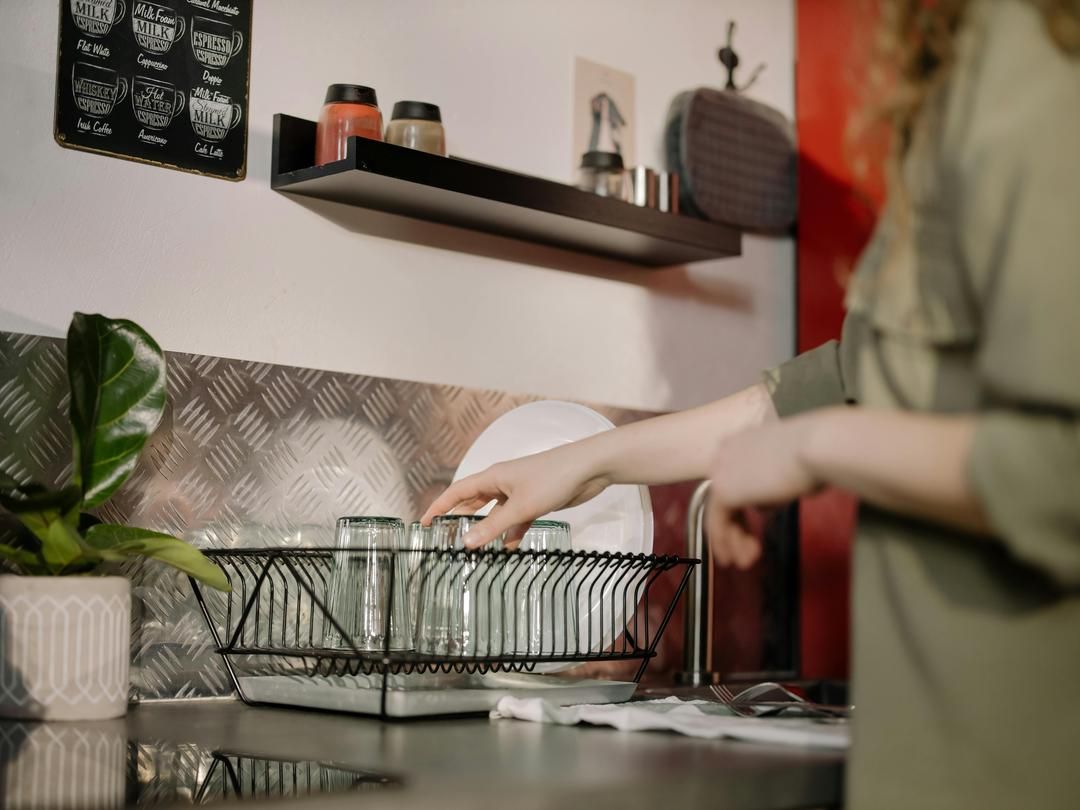
Kitchens that reset easily don't just photograph better for listings. They also make it easier to keep counters clear during the selling process, which matters because buyers fixate on counter space. The weekly room refresh means you're not facing a massive deep-clean before your first open house. You're already maintaining the space at a level that looks cared for.
Even if selling isn't anywhere on your radar right now, these habits protect your home's value. Regular maintenance prevents small problems from becoming expensive repairs. Organized spaces are easier to keep clean, which means less wear on finishes and fixtures. And homes that function well are homes where people actually want to spend time, which matters whether you're planning to stay for two years or twenty.
Ready to get your home running more smoothly? Reply with your biggest pain point. We'll suggest one routine that can help.
Thinking about selling your home?
Get in touch. We'll guide you through every step of the process to ensure a smooth transaction that meets your goals.